

Heat the bath.
Cool the bath.
Leave the oven alone.
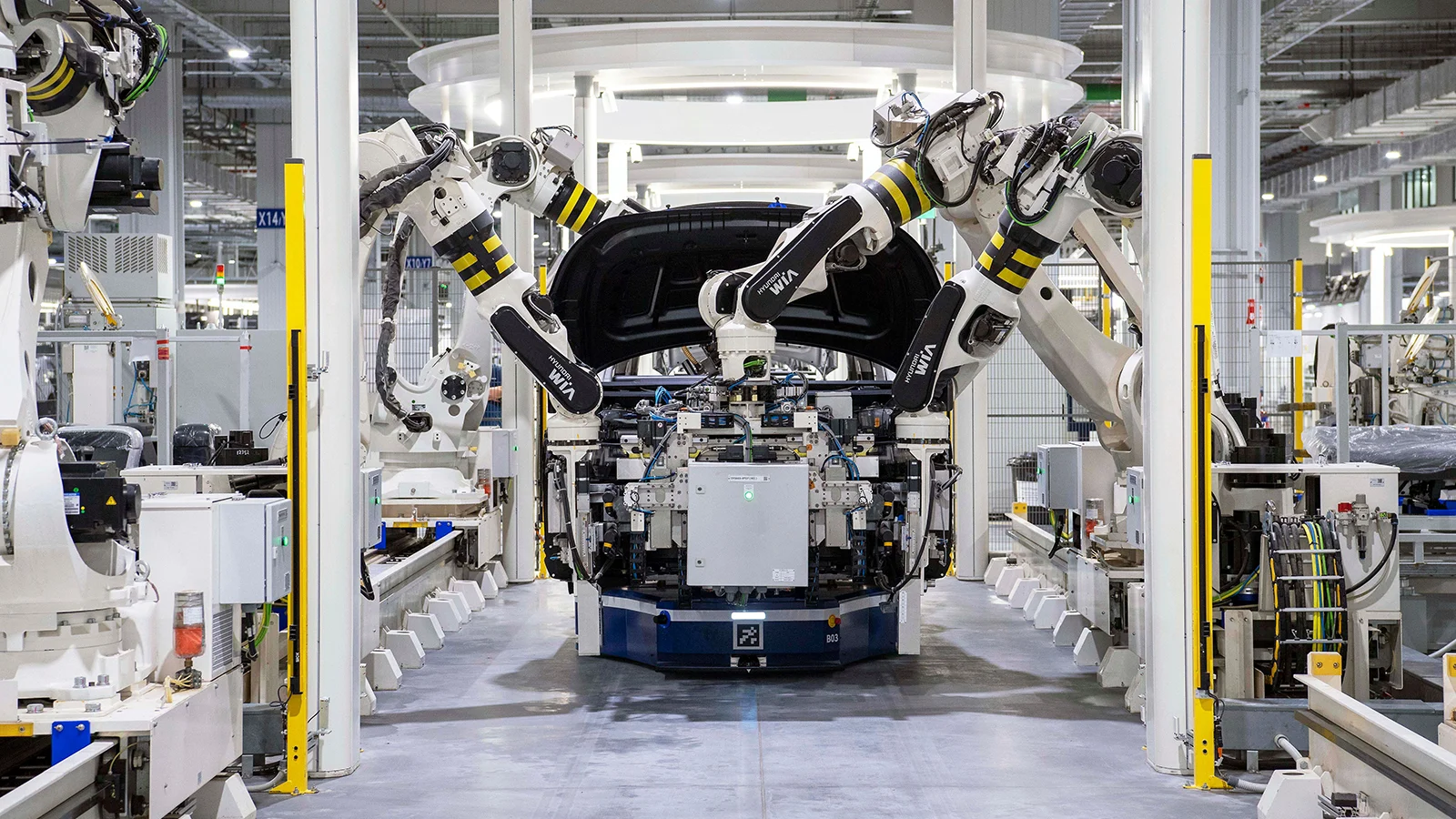
A paint shop is two plants in one building. The wet end holds alkaline degrease at 55–80 °C, zinc phosphate at 35–60 °C, rinses and air-handling reheat — all hot-water duties below 100 °C. The electrocoat bath sits at 28–32 °C and has to be cooled. The cure ovens run at 140–200 °C and are combustion. A water-source heat pump joins the first two: it takes heat out of the electrocoat loop and puts it into pre-treatment, on one electricity input. The oven burners stay exactly where they are.
Set the bath temperature. The series follows.
Choose the temperature your degrease tank, phosphate bath or hot-water loop actually holds — not the oven schedule — and the panel returns the matching series, a realistic COP at that lift, the heat source that can feed it, and whether the boiler still has a job. Drag the slider or use the arrow keys. Almost every in-range automotive duty sits between 30 °C and 95 °C. The scale runs to 150 °C because the range is real — and because on a paint line the duties above 140 °C belong to a burner, not to us.
Alkaline degrease, parts washing, hot rinses and AHU reheat — 60 / 80 °C
The alkaline degrease tank is usually the largest single hot-water demand on the line: it is large, held at setpoint through the shift, and loses heat to evaporation and to every body passing through it. Zinc phosphating, the rinses between stages and the paint-shop air-handling reheat coils all take hot water from the same circuit at lower setpoints. Nothing about the process changes — only what heats the water.
One paint shop, four heat streams
A vehicle plant does not have one heat demand. It has a pre-treatment tunnel that holds tanks at setpoint, an electrocoat bath that quietly rejects heat, a machine shop full of batch washers, and air-handling plant that reheat booth supply air. On a running line the cooling duty and the heating duty exist at the same hour — which is why the paint shop is one of the cleanest heat-pump integrations in all of manufacturing.
Pre-treatment tunnel
Alkaline pre-degrease 55–65 °C, main degrease 50–80 °C, zinc phosphate 35–60 °C, hot rinses. One hot-water circuit at several setpoints — the largest in-range load on the line.
Electrocoat bath
Held at 28–32 °C ±1 °C. Direct current and circulation pumps add heat continuously, so it needs chilling. That rejected heat is the source for the tanks upstream.
Washing & reheat
Component washers 55–80 °C, spread across the machine shop, plus paint-booth AHU reheat coils below 100 °C. Both take the same hot-water loop.
Low-grade sources
E-coat bath cooling loop, chiller condenser water, compressed-air aftercoolers 30–45 °C and warm tunnel effluent 35–50 °C. Rejected today; it is the fuel.
Twenty-two stages, band by band
The selector above answers one question — what series does this temperature need. This index answers the other: which real paint-shop and surface-treatment steps sit in each band, what form of heat they want, and which machine serves them. Filter by band, or read the whole list. The cure ovens appear here as boundaries, not as heat-pump duties.
The paint line as one heat system
Most plants run a chiller on the electrocoat bath and burn fuel for the tanks a few metres upstream. Those are two halves of one machine. Point a water-source heat pump's evaporator at the bath cooling loop and its condenser at the pre-treatment circuit: the same electricity input holds the bath at 28–32 °C and heats degrease, phosphate and rinse water. The cooling duty stops being a parasitic load and becomes the heat source.
The oven boundary — stated before you ask
This is the line that decides credibility on a paint line. Electrocoat cure runs at 170–190 °C for 20–25 minutes; bake ovens at 140–200 °C; powder cure at 177–204 °C. None is reachable by a commercial heat pump. Any supplier offering to "heat the cure oven with a heat pump" is describing a different machine. The burners stay. What we can do is serve everything upstream of them, and preheat the water or air that eventually feeds the oven envelope.
Adjacent duties we also size
Surface treatment lines
Spray and immersion degrease, acid pickling, passivation and conversion coating at 35–80 °C. One hot-water circuit serves several baths at different setpoints through mixing valves — no change to the process chemistry.
Component washing
Machine-shop washers at 55–80 °C, usually batch rather than continuous. Buffer volume is cheaper than an oversized compressor: size for the simultaneous recovery peak at shift start, not the averaged load.
Booth air handling
Spray booths hold 22–24 °C and 40–70 % RH. Reheat and humidification coils run on the same hot-water loop, and the booth often has the longest running hours of any duty in the plant.
Engine and battery plants
Leak-test and wash water, coolant conditioning and test-cell heat recovery elsewhere in the vehicle plant. Same six machines; the split is by process step, not by department.
Six series, matched to the process step
Automotive paint shops concentrate their in-range load between 30 °C and 95 °C, where efficiency is highest. The cards outlined in red follow the temperature band currently selected in the selector above — change the slider and the recommendation changes with it. The top two bands are shown for completeness; on a paint line those duties stay on the burner.
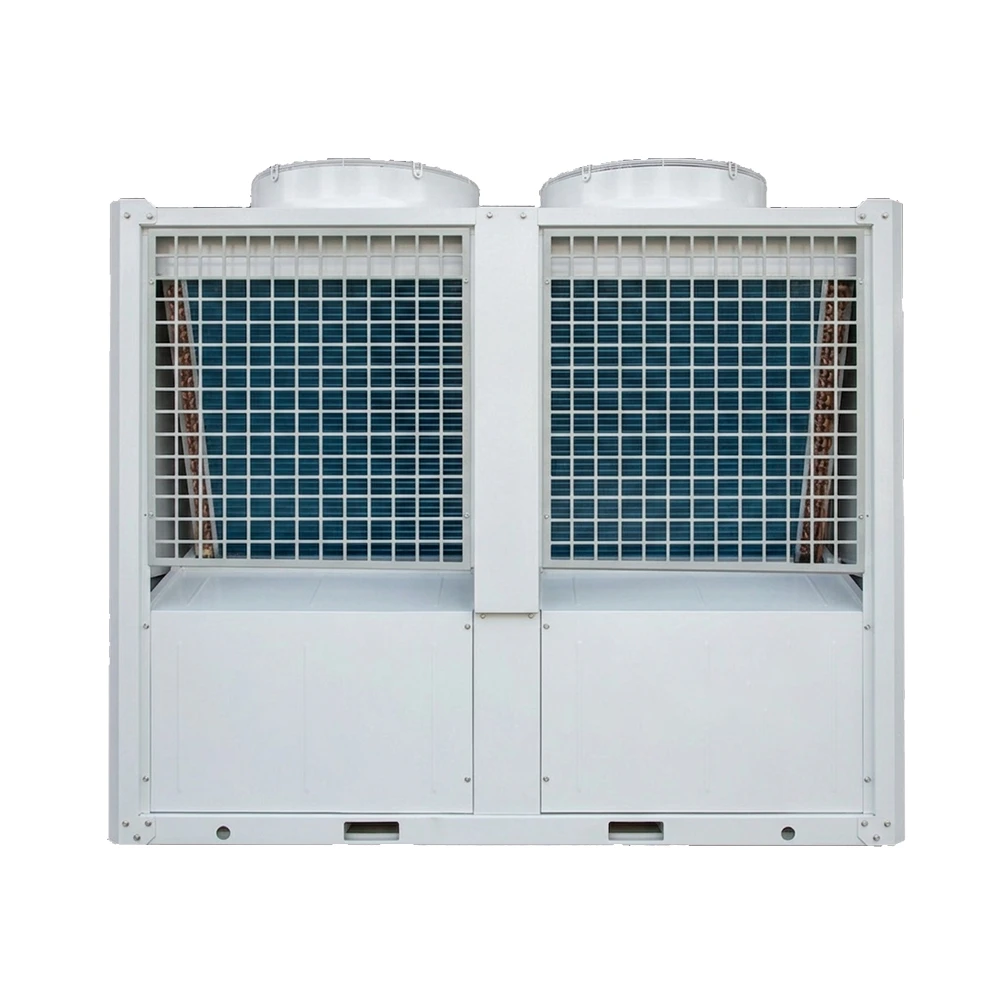
Booth AHU reheat and hot-water loops where no water-side source is available. The simplest retrofit: change what heats the water.
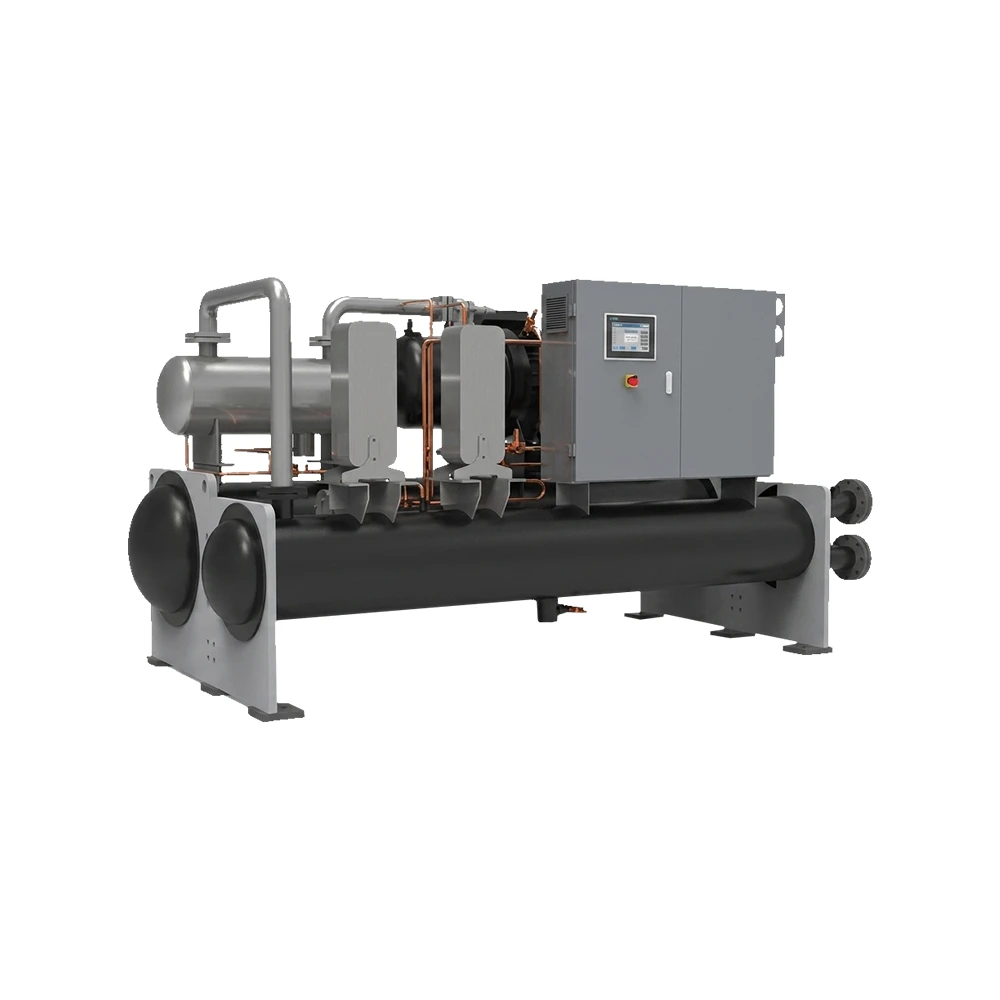
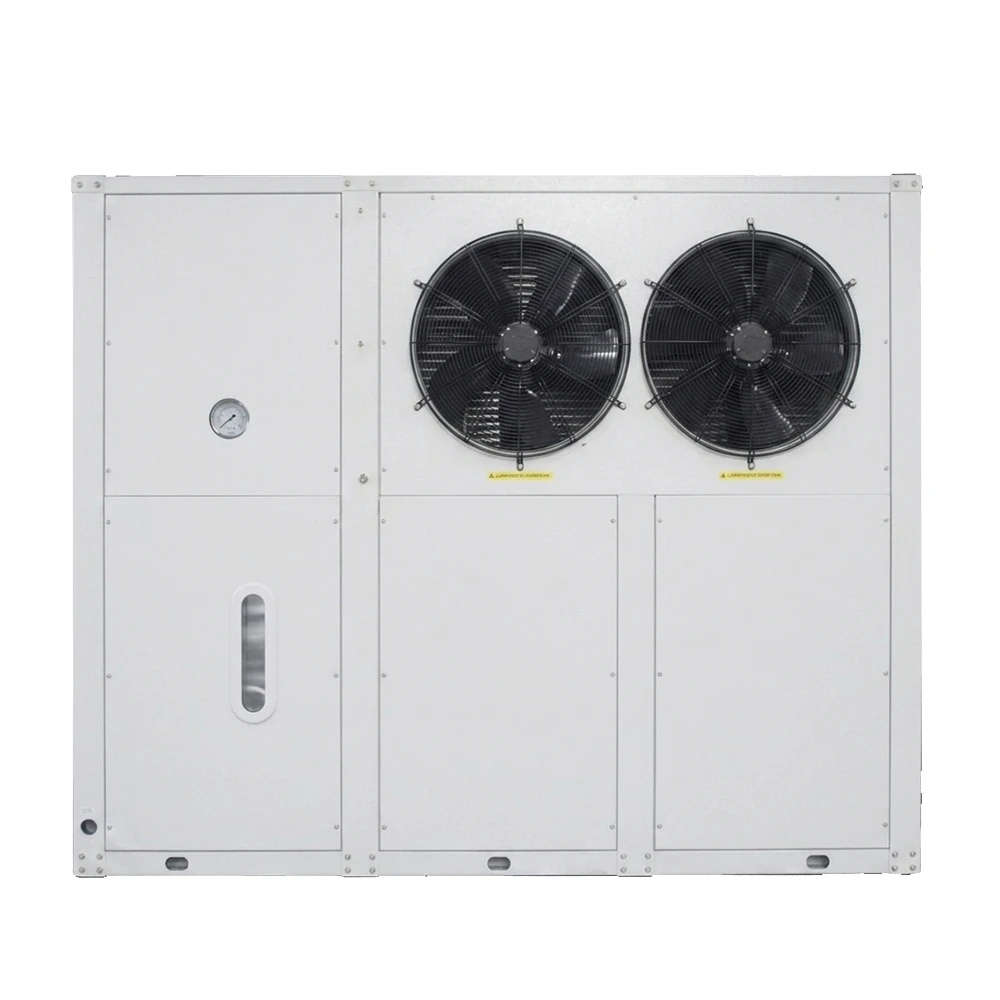
The paint-shop workhorse: cools the electrocoat bath while heating degrease, phosphate, rinses and wash water on the same input.

High-temperature wash, sealer loops and legacy 130/80 °C circuits — though lowering the setpoint usually beats adding capacity.
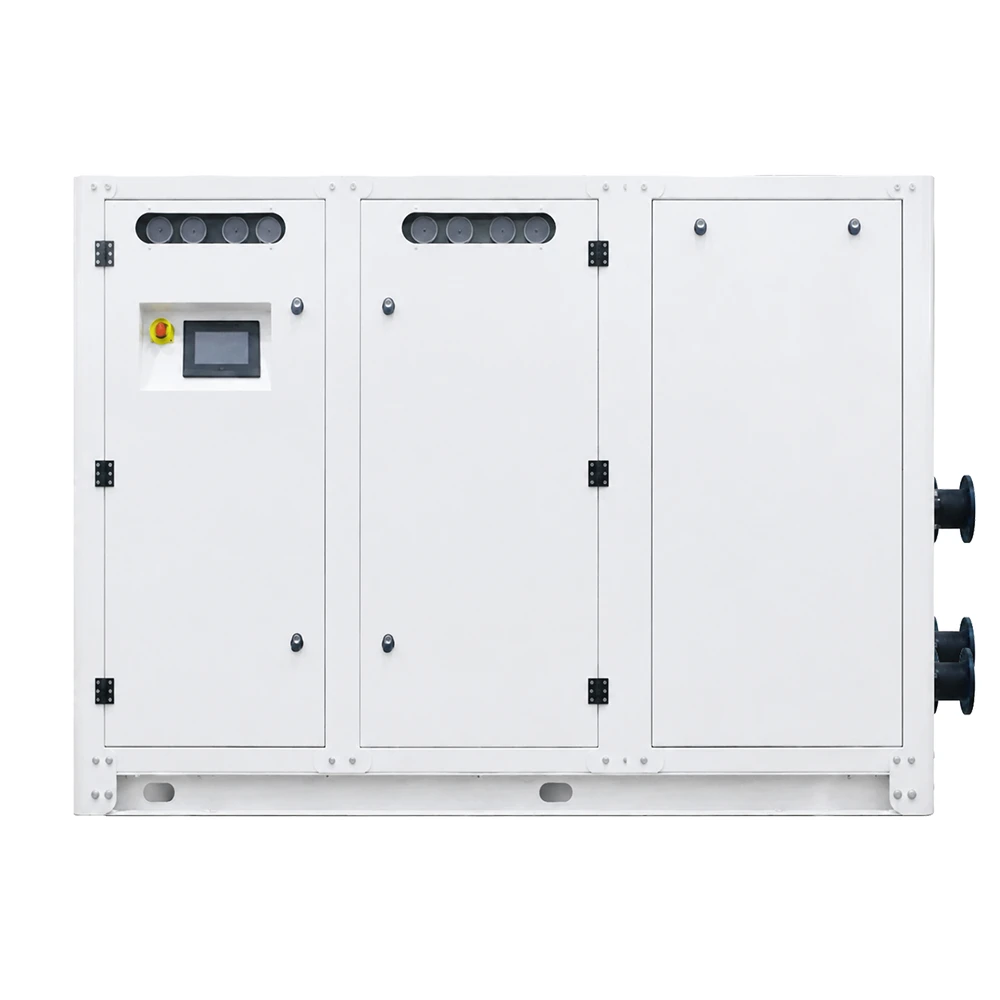
Steam for plant-wide utilities and drying-off support where condensate returns. Not for the cure ovens — those remain combustion.
Sites with no usable water-side source that still need process steam. On a paint line this is a utility machine, not an oven machine.

Dehumidified hot air at 30–85 °C for low-temperature drying and moisture control — not for cure ovens.
Ten years of wet-end heat, priced on your operating year
Fuel price alone does not decide a paint-shop project — capital, load, source temperature and operating hours do. A body line at 6,500 hours and a job-shop washer at 2,000 are entirely different investments at the same kW. Set seven numbers and the panel prices both options over ten years, including the capital the boiler option does not need.
All monetary outputs are in whatever currency you enter. This is a screening estimate, not a quotation — the exclusions are listed directly below.
Included: installed system cost and ten years of heat energy cost for both options at constant prices. Excluded, and both favour the heat pump: the electricity and maintenance of the chiller or cooling tower it displaces on the electrocoat bath, avoided boiler servicing, fuel delivery and storage, NOx permits, carbon cost, and any electrification grant or tax credit. On a combined cooling-and-heating paint line that omitted chiller term can be the largest single benefit. Excluded, and this works against it: electrical supply upgrades, tie-in pipework, controls integration with the plant PLC/BMS, setpoint re-validation with the coating supplier, and downtime during installation. The three formulas match the ones used on our textile, food, new-energy, agriculture and chemical pages: boiler heat cost = fuel ÷ efficiency, heat pump heat cost = electricity ÷ COP, break-even COP = electricity ÷ boiler heat cost.
Where a heat pump stops — and what to do instead
An application page without limits is a brochure. These are the five boundaries we hit most often in automotive and surface-treatment projects, stated before you ask.
| Boundary | Why | Correct solution |
|---|---|---|
| Cure ovens at 140–204 °C | E-coat cure 170–190 °C, bake 140–200 °C, powder cure 177–204 °C — all above any commercial heat pump's ceiling, and bound to a validated cure schedule | Keep the burners. The heat pump serves the wet end and can preheat make-up water or combustion air upstream |
| Electrocoat bath must stay at 28–32 °C ±1 °C | It is a cooling duty; film deposition and bath stability depend on tight temperature control. It cannot be heated by the same loop it cools | Water-source machine with two separate loops: evaporate the bath cooling circuit, condense into pre-treatment. Never mix the fluids |
| Oven exhaust 300–400 °C, VOC-laden | Too hot and too dirty for an evaporator; solvent vapour, overspray and particulates foul surfaces and raise the fire risk | Direct recovery through an economiser or air preheater. That is a different technology — put the heat pump on clean cooling water instead |
| Batch parts washers at shift start | Tanks recover together after a night at setpoint; the arithmetic sum of connected loads is far above the simultaneous steady load, and averaging hides the peak | Size on simultaneous recovery against stored buffer volume. A buffer tank is cheaper than an oversized compressor |
| Oils, surfactants and zinc in bath loops | Degrease and phosphate baths carry contamination that fouls evaporator and exchanger surfaces; downtime eats the saving | Indirect secondary loop, washable plate exchangers and side-stream filtration; keep the machine off the process fluid |
Standards and sign-off
Depending on where the machine lands — a utility room, a solvent-rated booth area or a hot-water skid — a different set of rules applies. These are the ones that come up in automotive project reviews.
Plant and equipment safety
NFPA 86 for ovens and NFPA 33 for spray booths; EN 12215 Und EN 16985 for coating equipment; ATEX 2014/34/EU Und IECEx where solvent zones are classified; PED 2014/68/EU Und ASME VIII for pressure equipment; F-Gas 517/2014 and the Kigali low-GWP phase-down. Controls tie into PLC / BMS over Modbus and BACnet.
Surface and coating quality
ISO 8501 surface preparation and ISO 9717 phosphate conversion coatings; ISO 9227 / ASTM B117 salt-spray corrosion validation; water-break-free tests for degrease cleanliness. Any setpoint change on pre-treatment water needs the coating and pretreatment supplier's written approval — the OEM paint specification has the final word.
What we need to size your system
No site visit is needed for a first-pass answer. Five pieces of information get you an indicative design, a COP range and a payback estimate.
Source and sink temperatures
Electrocoat bath supply and return, chiller condenser water, aftercooler and effluent temperatures; degrease, phosphate and rinse setpoints; AHU coil water temperatures. Give us both sides of the machine, not just the heating load.
Load and hours
Peak and average kW for each bath, line takt time, shift pattern and annual operating hours. For batch washers add the recovery time and the buffer volume you already have.
Heat source quality
Flow and temperature of the electrocoat cooling loop and other sources, plus contamination, fouling and corrosion risk. The cleanest source is usually the one already going to a cooling tower.
Current cost of heat and cooling
Fuel or steam tariff, boiler efficiency, electricity tariff including demand charges — and what the electrocoat chiller costs to run today. That last number is the one most often left out of the business case.
Site and quality constraints
Tie-in points, space for buffer tanks and exchangers, PLC integration, oven schedules that must not change, and which setpoints need coating-supplier sign-off before you touch them.
Q (kW) ≈ 1.163 × V (m³/h) × ΔT (K)
Example: 100 m³/h of bath circulation cooled by 2 K → 1.163 × 100 × 2 ≈ 233 kW of heat removed continuously — and 233 kW of free source heat delivered to pre-treatment, while the cooling duty is satisfied. That is why the source survey comes before the machine selection.
Häufig gestellte Fragen
Can a heat pump heat a paint cure oven?
Why is the electrocoat bath a heat source rather than a heat load?
Which automotive processes can an industrial heat pump actually serve?
Can the heat pump use the hot oven exhaust as its source?
Does lowering the hot-water setpoint affect paint quality?
What saving is realistic on an automotive paint shop?
Send us three numbers. Get a real answer.
Your bath setpoints and cooling-loop temperatures, the hours the line actually runs, and what you pay for heat today. That is enough for an indicative COP, a recommended series and a payback range — with the oven boundary stated, not hidden.
Sources and basis
- Automotive paint-shop duty temperatures — alkaline degrease 55–80 °C, zinc phosphating 50–60 °C, hot rinses, component washing 55–80 °C, electrocoat bath held at 28–32 °C as a cooling duty, electrocoat cure 190 °C, bake ovens 140–200 °C, powder cure 177–204 °C: Tetra Heat, Industrial heat pumps for automotive manufacturing: which duties they serve, and which they do not (2026).
- Published 1.5 MW automotive paint-shop pre-treatment retrofit taking electrocoat bath heat into pre-treatment — 65 % energy-cost reduction for that heating duty, ~400 t CO₂ avoided per year, 18-month simple payback, ovens unchanged: Tetra Heat, Waste heat recovery systems case study (2026).
- Pretreatment stage temperatures — pre-degrease 55–65 °C, immersion main degrease 50–60 °C, phosphating 35–45 °C, CED bath 28–32 °C ±1 °C with 200–350 V DC, e-coat bake 170–190 °C for 20–25 min: ShengTai, How Does the Automotive Painting Process Work? process guide.
- CED bath 301–306 K (28–33 °C), 300–450 V DC, cure oven 443–453 K (170–180 °C), primer bake 423–448 K, clear-coat oven 423 K: Waste Heat Recovery in Automotive Paint Shop via Organic Rankine Cycle and Thermal Energy Storage System, LAPSE 2023 conference paper.
- Dynamic paint-shop simulation — 130/80 °C hot-water circuit versus a ≤60 °C process need; lowering to 75/65 °C raises combined COP from 3.34 to 5.12; spray booth 22–24 °C and 40–70 % RH: DLR, Energetic Optimization of an Automotive Paintshop Using Dynamic Thermo-Fluid Simulation (SDEWES 2024).
- Oven exhaust 300–400 °C recovered to preheat pre-treatment water or drying fresh air, lowering heating load around 30 %; heat-pump COP 3–5 on pretreatment and rinse duties; low-temperature silane pretreatment cutting heating energy about 50 %: 越研涂装, 电泳涂装设备有哪些节能的技术 (2025).
- Hot-water circuits below 100 °C falling outside registered-boiler rules in some jurisdictions — jurisdiction-specific; confirm local requirements before relying on this point: Tetra Heat, Industrial heat pumps for automotive manufacturing (2026).
- Six HETAPRO series from 30–95 °C hot water and 110–150 °C steam: HETAPRO product specifications. Figures are indicative engineering ranges, not contractual performance data.